

Past Award Recipients
Academy Award 2024
The Academy Prize (internal link), established in 1984 by the Association for the Promotion of the Heidelberg Academy of Sciences and Humanities to mark the 75th anniversary of the Heidelberg Academy’s founding, will be awarded in 2024 to Dr. Alexander Schlaich. The award-winning work developed a novel computer simulation strategy that makes it possible to model electrostatic interactions with any realistic material. Thanks to this new method, it was possible for the first time to investigate the wetting transition at the nanoscale for materials with different insulating or metallic properties. This approach provides a new theoretical framework for predicting the unusual behavior of charged liquids, particularly when in contact with nanoporous metallic structures, and has direct applications in the fields of energy and the environment.
Dr. Alexander Schlaich studied physics at the University of Stuttgart. He received his Ph.D. from Freie Universität Berlin in 2017. His dissertation focused on the interaction and friction of polar surfaces that trap water at the nanoscale. From 2017 to 2020, he conducted research as a postdoctoral fellow at the Laboratoire Interdisciplinaire de Physique in France. Since 2021, he has led the Multiscale Materials Modeling research group at the Stuttgart Center for Simulation Science as a junior research group leader in the Cluster of Excellence EXC 2075 for “Data-Integrated Simulation Science” and is also affiliated with the Institute for Computational Physics at the University of Stuttgart.
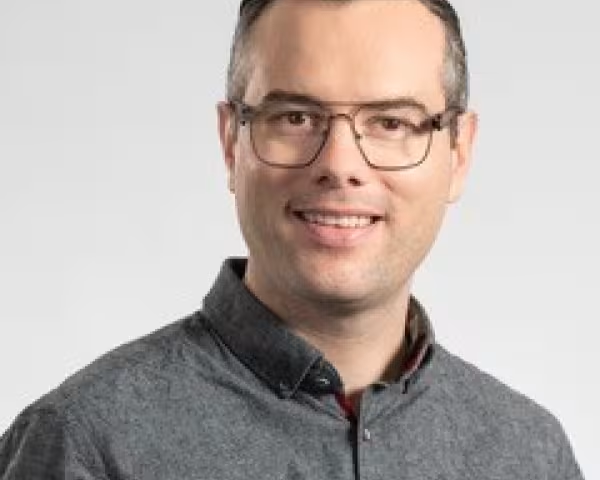
Dr. Alexander Schlaich
2024 Karl Freudenberg Award
The Karl Freudenberg Prize (internal link) was established by the Freudenberg Group in 1986 to mark the 100th anniversary of Prof. Dr. Karl Freudenberg’s birth. It is awarded for scientific work in the natural sciences—particularly chemistry and biology.
Renewable raw materials are playing an increasingly important role in the sustainable chemical industry. Microalgae are a promising source of raw materials, as they fix atmospheric carbon dioxide and build complex organic molecules through photosynthesis. This year, the Freudenberg Group honors Dr. Natalie Schunck for her groundbreaking research on algae and their use as microscopic biorefineries. She has developed methods that make the chemical processes for processing raw materials for industrial applications significantly more efficient. A groundbreaking achievement of her research is the first-ever integration of suitable synthetic catalysts into single-celled diatoms. Her work demonstrates how algae can be used as producers of renewable resources, thereby offering a sustainable alternative to the fossil-based raw materials used to date.
Dr. Natalie Schunck completed her studies in Life Sciences at the University of Konstanz and at the University of Toronto in Canada. A program at the University of Konstanz for outstanding students enabled her to begin research on her doctoral thesis, “Catalytic Olefin Methathesis in Living Microalgae,” even before completing her master’s degree; this work laid the foundation for the research recognized here.
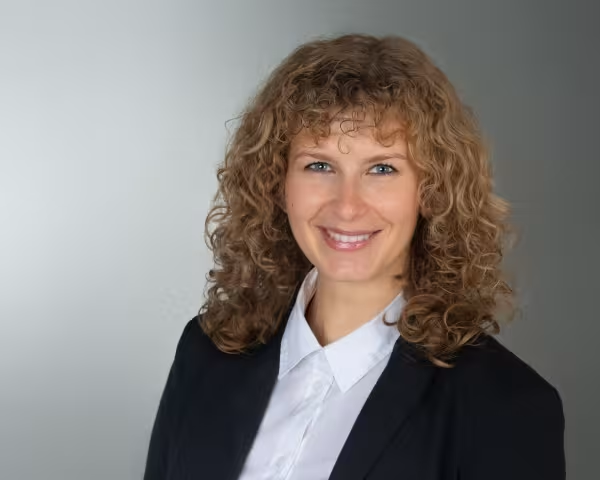
Dr. Natalie Schunck
Walter Witzenmann Award 2025
Recognizing the great importance of research in the humanities and social sciences, Witzenmann GmbH established the Walter Witzenmann Prize (internal link) in 1997 to support emerging scholars in Baden-Württemberg. The award recognizes works that address major social and cultural changes and/or the possibilities and impacts of technological transformation, and—in the case of historical works—demonstrate a connection to the present. This year, Dr. Paula Zschoche will receive the award for her dissertation, published under the title “Trade Union Liability for Labor Disputes.” In her work, she examines the question of whether—and under what circumstances—unions must pay damages for losses caused by labor disputes. Her argument frames liability for labor disputes within a private-law understanding of such disputes.
Dr. Paula Zschoche studied law at Heidelberg University until 2018. She subsequently worked there as a research assistant at the Institute for Civil Law, Labor Law, and Insolvency Law. She completed her legal clerkship at the Higher Regional Court of Schleswig. She received her doctorate in 2022 and successfully passed the second state bar exam in 2023. Today, Paula Zschoche practices law in Hamburg.
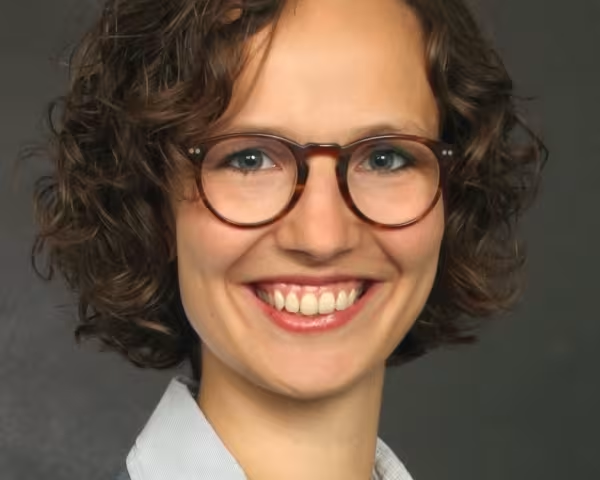
Dr. Paula Zschoche
2024 Ecology Award from the Viktor & Sigrid Dulger Foundation
The Viktor & Sigrid Dulger Foundation Ecology Prize (internal link) is intended to support scientific work in the humanities, social sciences, natural sciences, and engineering that addresses environmental problems and their solutions. Dr. Jingyuan Xu is receiving this year’s award for her research, which focuses on sustainable thermoacoustic technologies for cooling, heating, and power generation, with an emphasis on renewable energy sources (e.g., solar energy) and waste heat. Her work encompasses the fields of cooling, cryogenics, power generation, heat pumps, and multigeneration systems. Thermoacoustics is a new energy technology that can be used for heating, cooling, or power generation. In this technology, thermal energy is converted into acoustic energy within the thermoacoustic engine, and the acoustic energy is used to pump heat via a thermoacoustic heat pump or to generate electricity via a generator. Thermoacoustic technology requires no harmful ozone-depleting gases or mechanically moving parts and offers the possibility of cost-effective installation based on simple components.
Dr. Jingyuan Xu is the head of the CZS Nexus research group for “emission-free and environmentally friendly heating and cooling technologies (ZEco Thermal Lab)” at the Karlsruhe Institute of Technology. Before joining KIT, she worked at the University of Cambridge and Imperial College London. In addition to nearly 60 publications, she holds 15 patents. Xu has received the Leopoldina Award for Young Scientists from the German Academy of Sciences and is a member of the Global Young Academy.
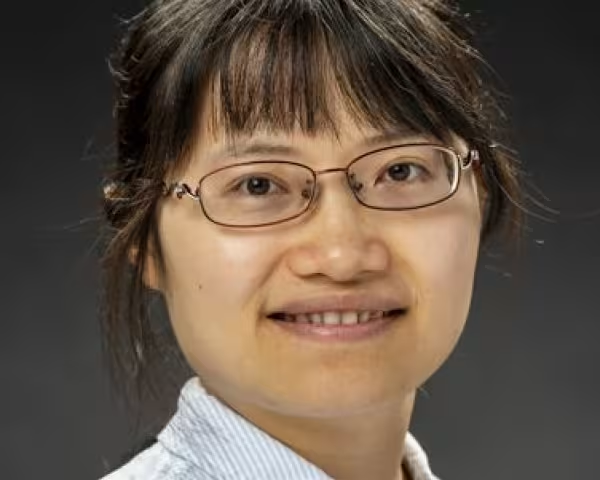
Dr. Jingyuan Xu
2024 Manfred Fuchs Award
To encourage young scientists and ensure that outstanding scientific achievements receive the recognition they deserve, entrepreneur Dr. Dr. h.c. Manfred Fuchs has established a research award to support young scientists in Baden-Württemberg. In 2024, the Manfred Fuchs Award (internal link) will be awarded to Assistant Professor Dr. Cosimo Posth for his work in human paleogenomics. Posth works at the intersection of archaeology, anthropology, linguistics, and population genetics, effectively combining these various methods to decipher the genetic diversity of the past. To this end, he applies state-of-the-art techniques in molecular biology and population genetics to extract and analyze genomic information from ancient DNA. This enables him to gain insights into human history and evolution over the past ten to several hundred thousand years. Through his research, Posth has consistently sought to build bridges between scientific disciplines—some of which are very different—in order to obtain a more comprehensive picture of human history. By incorporating and taking into account a wide range of evidence from the natural and human sciences, he has been able to shed new light on our history.
Assistant Professor Dr. Cosimo Posth earned his bachelor’s and master’s degrees in natural sciences and biological anthropology at the University of Florence and received his Ph.D. in scientific archaeology from the University of Tübingen. He then worked as a postdoctoral researcher and research group leader at the Max Planck Institute for the Science of Human History in Jena. Since 2020, Posth has been an assistant professor of archaeogenetics and paleogenetics at the University of Tübingen and at the Senckenberg Center for Human Evolution and Palaeoenvironment.
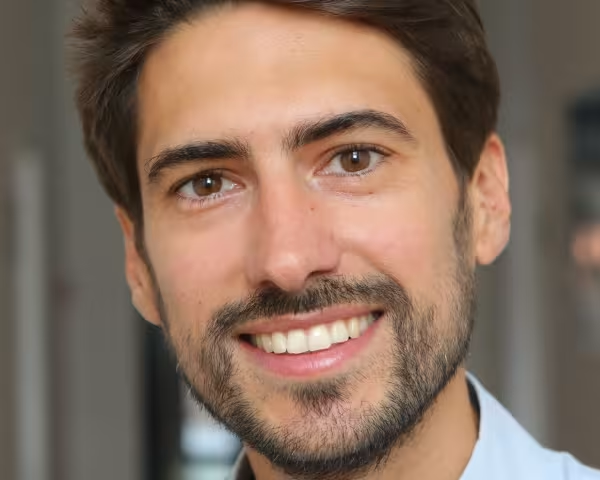
Assistant Professor Dr. Cosimo Posth
2024 Otto Schmeil Award
In 2016, the Schmeil Foundation established the Otto Schmeil Prize (internal link) in 2016 to support early-career scientists in biological and medical research. It is awarded every two years by the Heidelberg Academy of Sciences and Humanities. The prize is dedicated to the memory of the biologist Otto Schmeil. Dr. Mari Sepp is receiving the award this year for her work, in which she deciphered the cellular development and evolution of the cerebellum in humans, mice, and opossums using single-cell sequencing technologies. A unified classification of cellular diversity in the developing cerebellum shows that the programs defining cerebellar cell types have been preserved for at least 160 million years. In addition, genes were identified whose expression varied across cell types during evolution or developed new expression pathways. Overall, the study expands our understanding of the evolution of the mammalian brain.
Dr. Mari Sepp studied in Tartu and Tallinn, Estonia, where she earned her Ph.D. in Genetic Technology in 2012. Since 2017, she has been working as a postdoctoral researcher at the Center for Molecular Biology (ZMBH) at Heidelberg University, where she conducts research on the molecular and cellular origins and evolution of vertebrate organs.
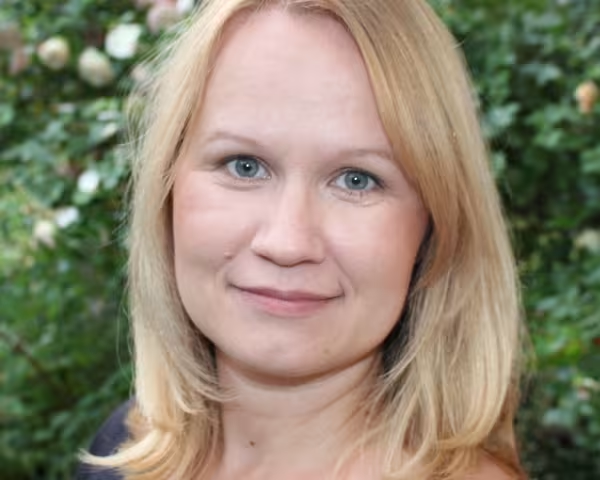
Dr. Mari Sepp
2024 Manfred Lautenschläger Award
The award, made possible by Manfred Lautenschläger through his foundation, specifically benefits the humanities and cultural studies, whose role as disciplines that provide guidance for our present day he emphasizes through his focus on history, society, and culture. It is intended to serve as both a “recognition” and a “driving force” for young researchers.
In 2024, the Manfred Lautenschläger Prize (internal link) to Dr. Helen Ahner for her dissertation “Planetariums: Wonders of Technology—Techniques of Wonder.” At the beginning of the 20th century, the first public planetarium shows enabled a broad audience to discover outer space from Earth. In her work, Ahner traces the emotions, perceptions, and narratives sparked by visits to the planetarium. Drawing on over 900 sources, she demonstrates how planetariums became places where knowledge, perception, and wonder converged—and where people learned to feel modern.
Dr. Helen Ahner studied Empirical Cultural Studies and General Rhetoric at the University of Tübingen. After working for four years as a research assistant at the Ludwig Uhland Institute for Empirical Cultural Studies, she earned her Ph.D. there in 2021. She is currently working in Berlin at the Max Planck Institute for Human Development in the Research Unit on the History of Emotions.
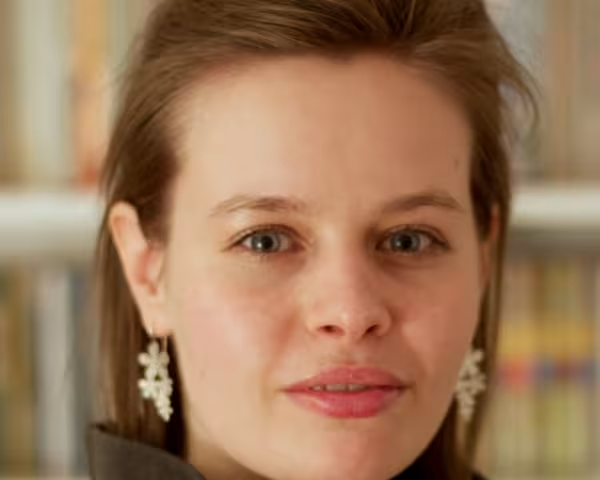
Dr. Helen Ahner
2024 Hector Foundation Award
The award, sponsored by the Hector Foundation, is intended for young researchers in the field of computer science, with the aim of encouraging them by recognizing their outstanding scientific achievements. This year, the Hector Foundation Award (internal link) goes to Dr. Noémie Jaquier, whose research pursues the long-term goal of equipping robots with human-like learning, adaptation, and motion capabilities. In her paper “Geometry-aware manipulability learning, tracking, and transfer,” she innovatively combines methods of machine learning and motion control with mathematical methods. Jaquier presents a new perspective on the problem of learning task-specific requirements for complex and precise robotic movements. This approach highlights the advantages of geometric methods in robotics and enables the transfer of motion strategies that go beyond the mere imitation of trajectories, force profiles, or impedance profiles. Jaquier’s research is thus pioneering in the field of intelligent robotics.
Dr. Noémie Jaquier studied microtechnology, robotics and autonomous systems, as well as computational neurosciences, at the renowned EPFL (École Polytechnique Fédérale de Lausanne) in Switzerland. During her doctoral studies, she worked at the Idiap Research Institute and completed a six-month PhD sabbatical at the Bosch Center for Artificial Intelligence (BCAI) in Germany. Since completing her doctorate in 2020, she has been conducting research at the Karlsruhe Institute of Technology (KIT) in the High Performance Humanoid Technologies Lab (H²T).
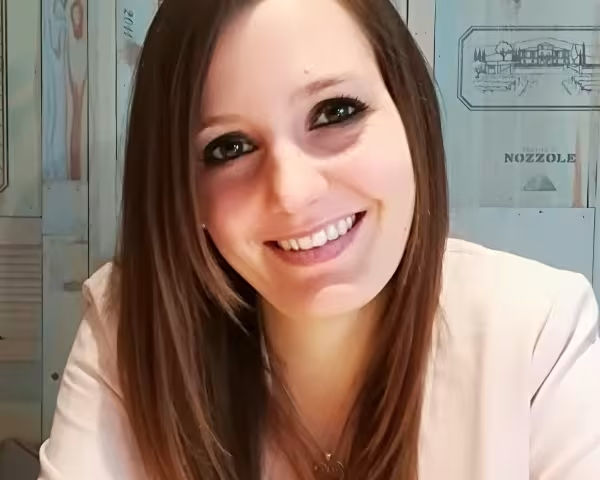
Dr. Noémie Jaquier
Academy Award 2023
The Academy Prize, established in 1984 by the Association for the Promotion of the Heidelberg Academy of Sciences and Humanities to mark the 75th anniversary of the Heidelberg Academy’s founding, was awarded in 2023 to Prof. Dr. Leonhard Hübner. Companies from the Global North are increasingly being held responsible for “human rights violations” committed by subsidiaries or suppliers from the Global South. The award recipient examines the international procedural, conflict-of-laws, and liability law provisions governing the enforcement of human rights against companies. Using comparative law, he then develops proposals for reform.
Leonhard Hübner studied law at the universities of Bonn, Freiburg, Cologne, Lausanne, and Oxford. He earned his doctorate and completed his habilitation at the University of Heidelberg. He has been working at the University of Augsburg since April 1, 2023.
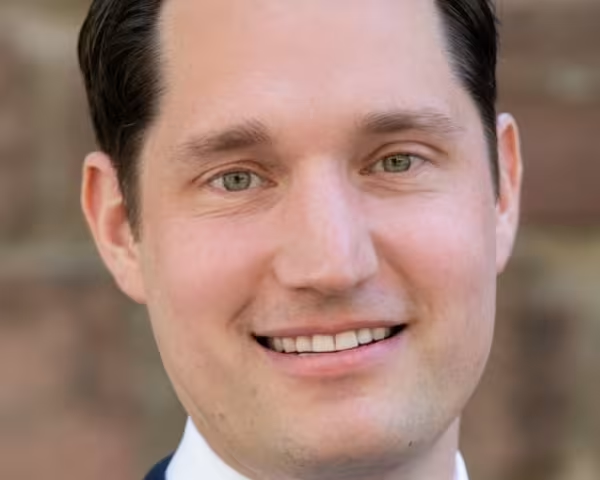
Prof. Dr. Leonhard Hübner
2023 Karl Freudenberg Award
The Karl Freudenberg Award was established by the Freudenberg Group in 1986 to mark the 100th anniversary of Prof. Dr. Karl Freudenberg’s birth. It is awarded for scientific work in the natural sciences—particularly chemistry and biology. In 2023, Dr. Sylvain Delaunay was awarded the award for a study in which he outlined a new strategy for preventing the spread of cancer cells.
In his study, he demonstrates that the metastasis of head and neck cancer can be reduced by inhibiting the metabolic plasticity of mitochondria. Using FDA-approved drugs, the scientist was able to eliminate the development of lymph node metastases in human tumors grown in mice.
Sylvain Delaunay is currently working as a postdoc at the DKFZ, where he is researching RNA changes in mitochondria—the organelles responsible for a cell’s energy supply. He studied pharmacy in Liège (Belgium), where he earned his Ph.D. in molecular medicine in 2016. After postdoctoral fellowships in Barcelona and Cambridge (UK), he joined the DKFZ in 2019.
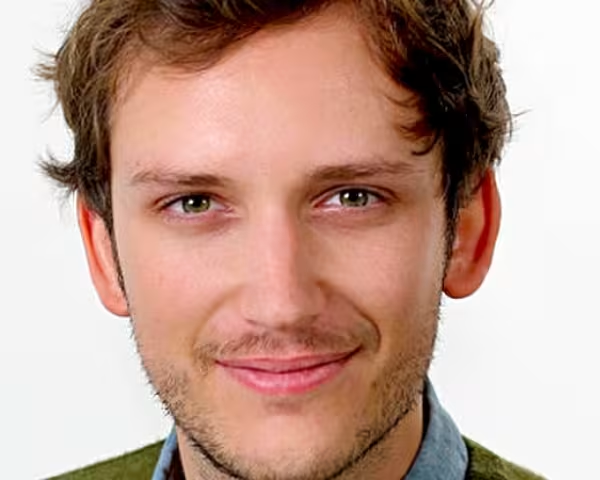
Dr. Sylvain Delaunay
2023 Walter Witzenmann Award
The Walter Witzenmann Award, endowed by the Pforzheim entrepreneur of the same name, honors outstanding work in the field of the humanities and cultural studies. In 2023, the award was given to Johanna Jebe for her dissertation “Rules, Writing, Correctio—Carolingian Concepts of Monasticism as Reflected in Manuscripts from St. Gallen and Fulda.” The dissertation examined the treatment of religious knowledge in manuscripts from the monasteries of St. Gallen and Fulda to provide a new perspective on the cultural, religious, and political renewals of the 8th and 9th centuries. In addition to multifaceted debates on exemplary Christian life within monasticism, the study has uncovered concrete practical, social, and cultural conditions of daily life under which Carolingian elites generated and negotiated guiding principles for a society-wide “Correctio.”
Johanna Jebe studied Modern and Contemporary History, Medieval History, and Protestant Theology at the Universities of Tübingen and Bologna and received her Ph.D. in the Department of Medieval History in 2022. She works as a research assistant at the Chair of Medieval History and Auxiliary Historical Sciences in Tübingen.
Further information:
- "Walter Witzenmann Prize Goes to Johanna Jebe" (external link), University of Tübingen (attempto online)
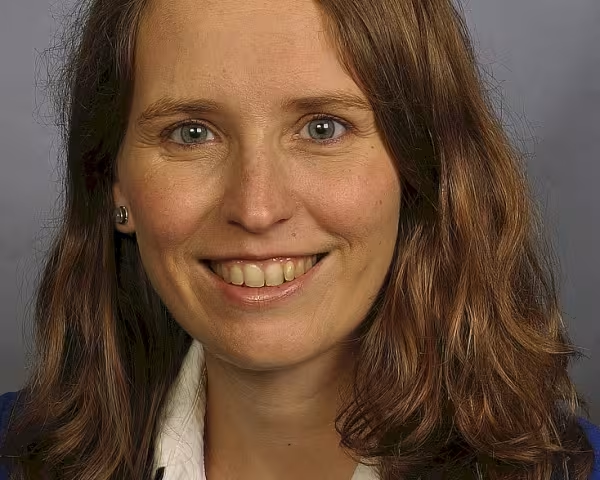
Johanna Jebe
2023 Ecology Award from the Viktor & Sigrid Dulger Foundation
The Viktor & Sigrid Dulger Foundation’s Ecology Prize is intended to promote scientific work in the humanities, social sciences, natural sciences, and engineering that addresses environmental problems and their solutions. In 2023, the award was awarded to Dr. Moritz Bross (née Koch) for his work “Metabolic engineering strategies for increased PHB production in cyanobacteria,” with which he contributed an important step toward solving the global plastic problem by significantly optimizing the production of bioplastics using cyanobacteria. Cyanobacteria (also commonly known as “blue-green algae”) naturally produce the biopolymer PHB (polyhydroxybutyrate), which is easily biodegradable in the environment and exhibits excellent material properties as a bioplastic, for example in the packaging sector. The award recipient succeeded in cultivating cyanobacteria capable of producing up to 80% PHB per unit of dry cell weight. Such a high level of PHB accumulation had previously been considered impossible for cyanobacteria. The award winner has thus achieved a groundbreaking feat by developing a biotechnological process for CO2-consuming bioplastic production.
Moritz Bross studied biotechnology in Aachen and at the University of California, Berkeley. After earning his bachelor’s degree, he pursued a master’s degree in microbiology in Tübingen. He subsequently earned his Ph.D. there in 2020. He then conducted postdoctoral research in Canada at the University of British Columbia in Vancouver until 2022. Since mid-2022, he has been working as a Lab Team Leader in Industrial Biotechnology at BASF.
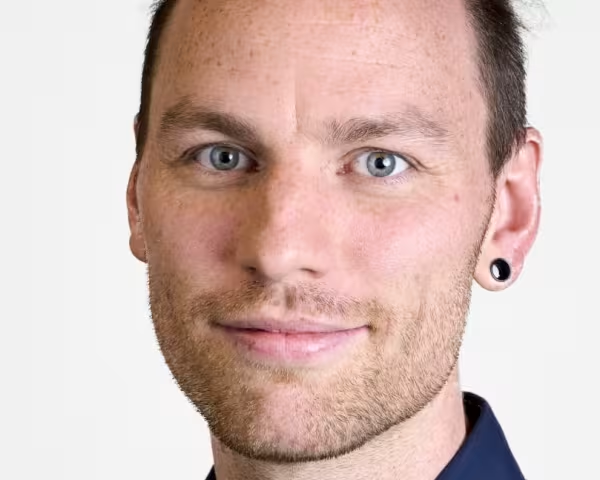
Dr. Moritz Bross
2023 Manfred Fuchs Award
The Manfred Fuchs Award is intended to support exceptionally qualified researchers who are pursuing a habilitation in the humanities or preparing for a professorship as the head of a research group in the natural sciences. It was established by the Mannheim-based entrepreneur Dr. Dr. h. c. Manfred Fuchs.
In 2023, the award was awarded to Dr. Fumihiro Kano. Dr. Kano is interested in what animals see, feel, and think, and ultimately in how humans—as one of the primate species—are unique in terms of perception, cognition, and social behavior. His approach involves investigating these topics by focusing on the analysis of microbehavior, particularly gaze as a proxy for attention. In doing so, he uses state-of-the-art technologies such as infrared imaging and computer vision.
Fumihiro Kano studied Comparative Psychology at Kyoto University and earned his Ph.D. at the university’s Primate Research Institute. After serving as a postdoctoral researcher at the Max Planck Institute for Evolutionary Anthropology and as an assistant professor at the University of Oxford and Kyoto University, he has been working as a group leader at the Cluster of Excellence “Center for the Advanced Study of Collective Behavior” at the University of Konstanz since April 2021.
Further information:
- "The Key to Human and Animal Behavior" (external link) - Manfred Fuchs Award awarded to animal behavior researcher Fumihiro Kano, in: Innovationsreport.de, March 3, 2023
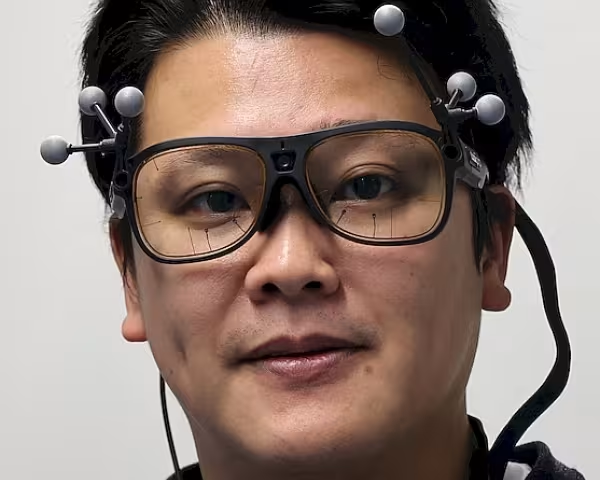
Dr. Fumihiro Kano
2023 Manfred Lautenschläger Award
The Manfred Lautenschläger Award, established by the Manfred Lautenschläger Foundation for the Promotion of the Humanities and Cultural Studies, was awarded in 2023 to Sara Landa for her dissertation “‘Distance Makes Them Resemble Our Own Things.’ Approaches to Chinese Poetry in German Poetry from Expressionism to the Present.” The dissertation explores translational Chinese-German dialogues from Expressionism to the present. It focuses on various authors who have engaged with China, from Albert Ehrenstein to Bertolt Brecht to Jan Wagner and Herta Müller. These authors have engaged with both traditional Chinese poets and more recent poetry that reflected on and accompanied the upheavals of the 20th and 21st centuries. The study examines how potential for aesthetic innovation arises in the creation, reworking, and continuation of texts, and explores how the quest through foreign literature leads back to one’s own and how, through this process, the poet’s perspective—particularly during times of historical upheaval—could be reimagined.
Sara Landa studied German Language and Literature, European Literatures, Sinology, East Slavic Studies, and History in Freiburg, Beijing, and Strasbourg. She earned her Ph.D. from the University of Freiburg and is currently a project researcher in the Heidelberg subproject “Epochal Life Worlds: Man, Nature, and Technology in Narratives of Crisis and Change” of the BMBF-funded Collaborative Research Center “Worldmaking from a Global Perspective: A Dialogue with China.”
Further information:
- Sara Landa Receives the 2023 Manfred Lautenschläger Award for Her Dissertation (external link), at: www.worldmaking-china.org/
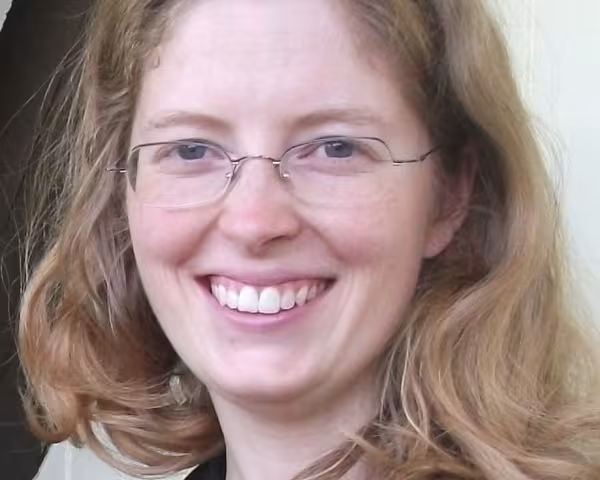
Sara Landa
2023 Hector Foundation Award
The Hector Foundation Award was awarded for the first time in 2023. The award is intended for young researchers in the field of computer science and is designed to recognize outstanding scientific achievements. The awards were announced for the field of machine learning and are awarded to Dr. Francesco Locatello for his work in the field of so-called “disentangled representations.”
The award winner’s research aims to learn causal representations through rigorous theory and scalable algorithms. Through a large-scale empirical study, the computer scientist was able to demonstrate that even in practically relevant cases, unsupervised learning is generally insufficient and that (more complex) supervision is unavoidable. The concepts he proposed to solve this problem are now widely used in research on causal representation learning and continue to find important applications in robotics, healthcare, the natural sciences, and engineering.
Francesco Locatello received his Ph.D. in 2020 from ETH Zurich, where he was awarded the ETH Medal for his dissertation. He holds a master’s degree in computer science (Zurich) and a bachelor’s degree in information technology (Padua, Italy). Today, he is a Senior Applied Scientist at Amazon Web Services (AWS). He leads the “Causal Representation Learning” research team, with which he conducts fundamental research in the fields of machine learning, artificial intelligence, and causality.
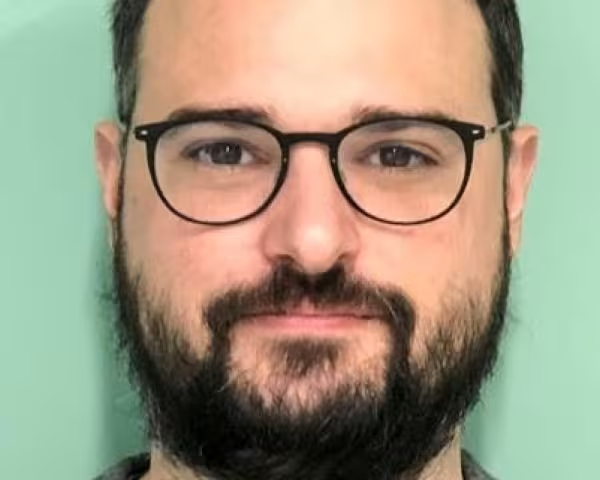
Francesco Locatello
2022 Academy Award
The 2022 Academy Award goes to Dr. James W. Lightfoot (external link) for his work “Small peptide-mediated self-recognition prevents cannibalism in predatory nematodes”. The biologist studies kin recognition in nematodes to understand the fundamental principles behind these behaviors and to trace how they may have evolved.
James W. Lightfoot studied biochemistry and microbiology at the University of Sheffield and molecular parasitology and vector biology at the Universities of Manchester, Salford, and Keele. He earned his Ph.D. at the MRC London Institute of Medical Science. He currently leads his own research group at the Max Planck Institute for Neurobiology of Behavior – caesar (external link) in Bonn.
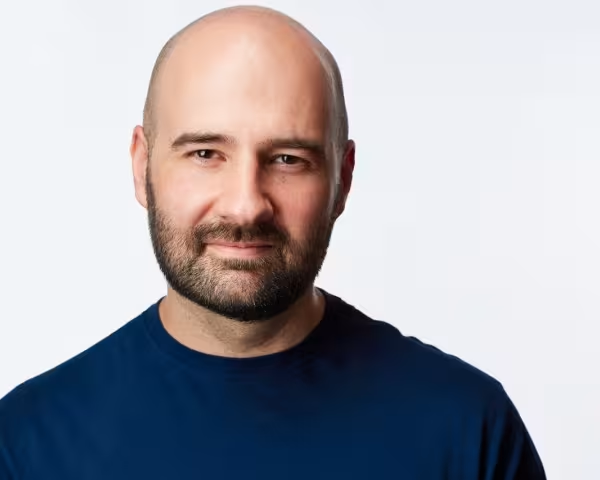
Dr. James W. Lightfoot
2022 Karl Freudenberg Award
In 2022, the award will be shared between Dr. Kelvin Anggara (external link) and Dr. André Mateus (external link).
Dr. Kelvin Anggara receives the award for his work “Identifying the Origin of Local Flexibility in a Carbohydrate Polymer”. In this work, he uses single-molecule microscopy to image carbohydrate structures at the atomic level, thereby demonstrating how the structure determines the flexibility of carbohydrates. These findings are significant for the development of carbohydrate materials as well as for the general understanding of how macroscopic properties arise from molecular structures.
Kelvin Anggara earned his Ph.D. in physical chemistry from the University of Toronto. He is currently a research group leader at the Max Planck Institute for Solid State Research and works on single-molecule imaging of the structure and dynamics of complex biomolecules.
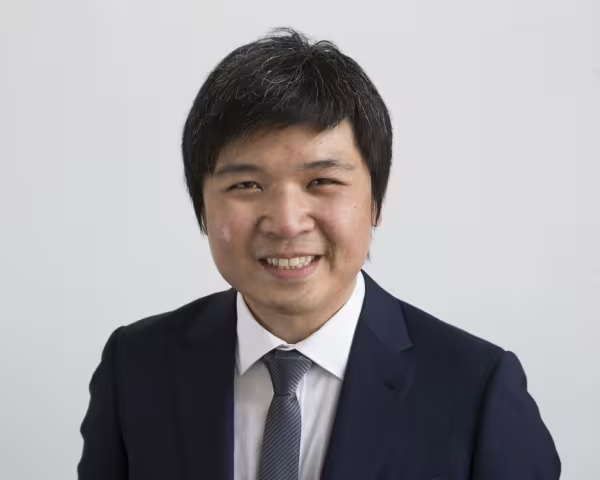
Dr. Kelvin Anggara
Dr. André Mateus is being honored for his work “The functional proteome landscape of Escherichia coli”. Given the importance of microorganisms to human health and the rise in antibiotic resistance, new technologies are needed to study these species. The “thermal proteome profiling” (TPP) methodology is based on the principle that protein interactions influence the thermal stability of proteins. In his work, TPP was used to measure the abundance and thermal stability of nearly 2,000 proteins in response to 121 genetic perturbations in Escherichia coli . The generated data represent a rich resource for inferring protein functions and interactions, and the approach is easily applicable to other organisms.
André Mateus studied Pharmaceutical Sciences at the University of Lisbon and earned his Ph.D. from the Department of Pharmacy at Uppsala University. Since 2022, he has held a position as an assistant professor in the Department of Chemistry at Umeå University (Sweden) and as a team leader at the Laboratory for Molecular Infection Medicine Sweden (MIMS).
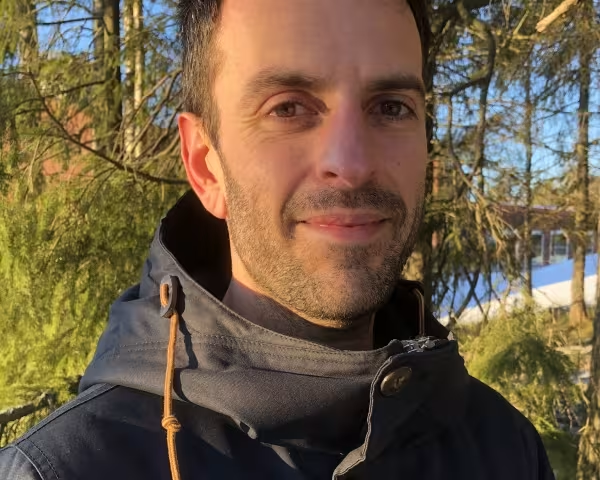
Dr. André Mateus
2022 Walter Witzenmann Award
In 2022, the award will be presented to Leonie N. Bossert (external link) will be honored in 2022 for her dissertation “A Shared Future for Humans and Animals – Animals in Sustainable Development”. In it, she develops a normative theory of sustainable development that incorporates animal ethics in order to overcome the common separation between academic and political discourses on sustainable development and the human-animal relationship, thereby closing a research gap. The thesis aims to identify new and modified pathways toward more sustainable societies that enable a future worth living for humans and other living beings.
Leonie N. Bossert studied “Landscape Ecology and Nature Conservation” in Greifswald and Copenhagen and earned her Ph.D. in bioethics at the University of Tübingen. She is a researcher at the International Center for Ethics in the Sciences and serves as a postdoctoral fellow at the Chair of Ethics, Theory, and History of the Life Sciences at the University of Tübingen.
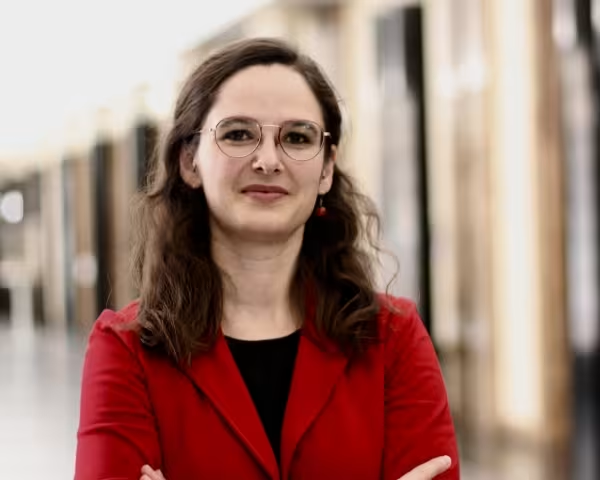
Leonie N. Bossert
2022 Manfred Fuchs Award
This year, the prize is shared by the physician PD Dr. Simon Raffel (external link) and the medieval and modern-era archaeologist PD Dr. Lukas Werther (external link) received the award.
PD Dr. Simon Raffel is being honored for his contributions to leukemia research. His research focuses on acute myeloid leukemia (AML), with a particular emphasis on leukemia stem cells. To investigate the heterogeneity of leukemia stem cells, Dr. Raffel’s research group is currently focusing specifically on single-cell analyses. This approach combines methods for the simultaneous measurement of metabolism, cell function, gene expression, and mutations, and analyzes thousands of individual AML cells. The goal of his research is the targeted identification of therapeutically exploitable vulnerabilities in leukemia stem cells in order to improve the long-term prognosis for patients with AML.
Simon Raffel studied medicine in Heidelberg and New York. He earned his Ph.D. from Harvard Medical School in Boston and completed his habilitation in Heidelberg in 2021. He is a senior physician at Heidelberg University Hospital in Department of Internal Medicine V for Hematology, Oncology, and Rheumatology and has led a DFG-funded Emmy Noether Research Group since 2019.
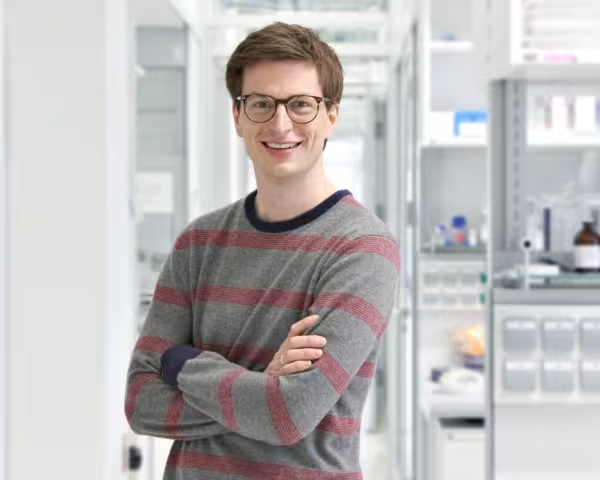
PD Dr. Simon Raffel
PD Dr. Lukas Werther sees himself as a bridge-builder between the humanities and the natural sciences, particularly between archaeology, history, and the geosciences. His work on historical socio-ecological systems spans from the Neolithic period to contemporary history, with a focus on the Middle Ages and the early modern period. Geographically, his internationally well-connected research spans North Africa, England, France, and Eastern Europe, with a particular focus on southern and central Germany. Key interdisciplinary themes include humans and water, anthropogenic landscape changes, transportation and mobility, consumption and resource use, violence and conflict, as well as structural changes in settlement patterns.
Lukas Werther studied medieval and modern archaeology, architectural research, geography, and prehistory and early history at the University of Bamberg and earned his doctorate at the University of Jena. He subsequently completed his habilitation in prehistoric and early historical archaeology there. Since 2020, he has been working at the University of Tübingen as an Academic Advisor in Medieval and Modern Archaeology.
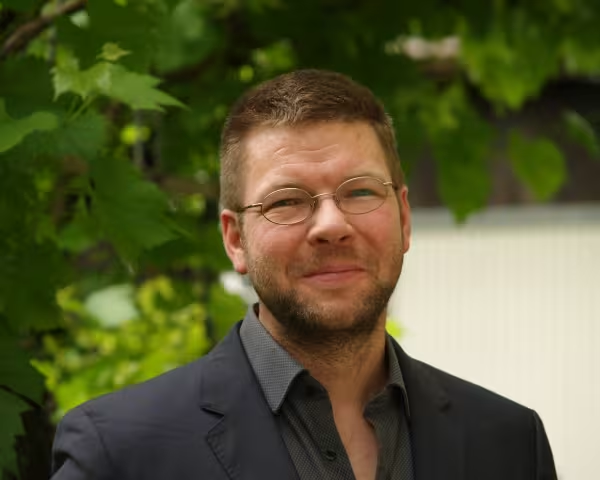
PD Dr. Lukas Werther
2022 Manfred Lautenschläger Award
The award will be presented for the first time in 2022 and goes to Dr. Lena Sowada (external link) for her dissertation “The Written Language Use of Less Experienced Writers in Personal Documents from the German-French Border Region during World War I”.
As part of the study, a corpus of previously unpublished and unedited letters, postcards, and diaries written during World War I was compiled to serve as the basis for the analyses; this corpus sheds light on the written language of ordinary people from Alsace, Lorraine, and the Vosges. The study applies linguistic research’s interest in heterogeneous manifestations of spoken language to written expression, understanding it as a totality of varying modes of expression with specific communicative functions. Highlighting the heterogeneity of written language use implies a shift in perspective and a revaluation of such linguistic evidence, which is no longer analyzed as texts deficient in relation to a norm, but rather as an independent form of written expression representing a segment of French society at the beginning of the 20th century.
Lena Sowada studied Romance languages at the University of Heidelberg and the Universidad de Castilla-La Mancha. She received her Ph.D. in 2019 from the University of Heidelberg and Paul-Valéry Montpellier 3. She is the coordinator of the DAAD-funded project “Mobility in International Teacher Education” and a research assistant at the Chair of Romance Linguistics at the University of Heidelberg.
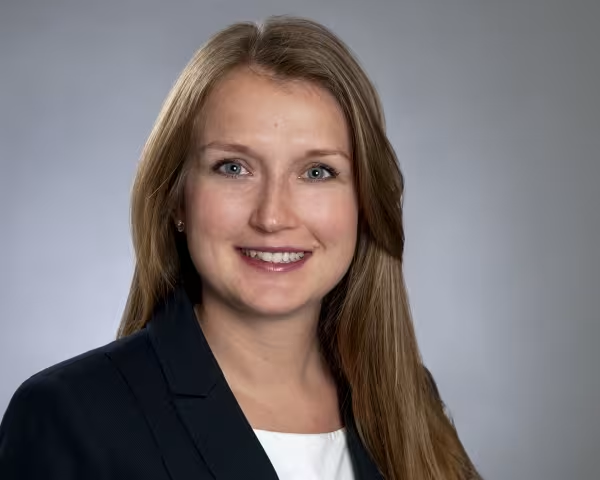
Dr. Lena Sowada
2022 Ecology Award from the Viktor & Sigrid Dulger Foundation
The award will be presented in 2022 to Dr.-Ing. Gabriela Molinar (external link), whose work, “Machine Learning Tool for Transmission Capacity Forecasting of Overhead Lines based on Distributed Weather Data,” makes a significant contribution to the forecasting of transmission capacity using artificial intelligence as an optimization method for grid operation and to supporting the energy transition in Germany.
Gabriela Molinar studied electrical engineering and information technology in Venezuela. She received her Ph.D. in 2020 from the Institute for Information Processing Technology (ITIV) at the Karlsruhe Institute of Technology (KIT) and now works in the energy sector at the transmission system operator TenneT TSO GmbH in Bayreuth.
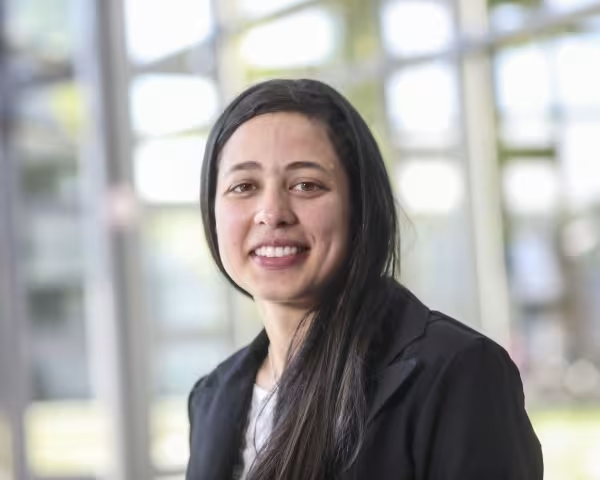
Gabriela Molinar, Ph.D. (Eng.)
2022 Otto Schmeil Award
In 2022, the award goes to Dr. Matilde Bertolini (external link) and Dr. Kai Fenzl (external link) for their joint work “Interactions between nascent proteins translated by adjacent ribosomes drive homomer assembly.”
The study investigates the formation of protein complexes (known as protein assembly) in human cells. Their findings were based on the development and application of a new method called “Disome Selective Profiling,” which enables the simultaneous analysis of a large number of protein complexes. Their results show that approximately 30% of all protein complexes in a human cell are formed while the protein subunits are still being synthesized. The protein subunits that are just being synthesized are spatially so close to one another that they can assemble into homomeric complexes “co-translationally” even as they are being produced. This mechanism not only enables the rapid and efficient assembly of protein complexes but can also prevent the erroneous formation of complexes from non-identical subunits. This discovery is of fundamental importance for our basic understanding of protein biogenesis and provides fundamentally new approaches for both basic and applied research.
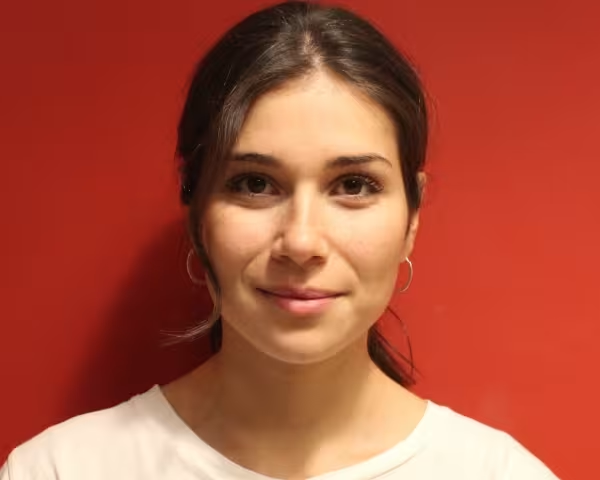
Dr. Matilde Bertolini
Matilde Bertolini studied biotechnology at the University of Parma. She earned her Ph.D. at the Center for Molecular Biology at Heidelberg University (ZMBH) and has been conducting research as a postdoc in Lars Steinmetz’s lab at Stanford University (U.S.) since 2021.
Kai Fenzl studied in Darmstadt and Heidelberg and earned his Ph.D. at the Center for Molecular Biology at Heidelberg University (ZMBH). He is currently conducting research as a postdoc in Lars Steinmetz’s lab at the European Molecular Biology Laboratory (EMBL) in Heidelberg.
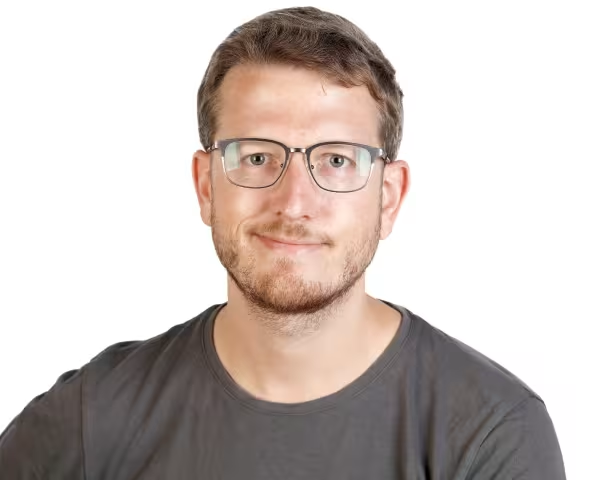
Kai Fenzl
2021 Academy Award
In 2021, the Academy Prize was awarded to Dr. Lianming Wang (external link) for his work “Jesuit Heritage in Beijing: Sacred Buildings and Transcultural Spaces, 1600–1800.” The award is endowed with €10,000.
The art historian examines the material heritage of the Jesuit mission outside Europe, focusing on three key buildings in Beijing. Drawing on a wealth of visual evidence, the study provides a thorough insight into the global development of the art and architecture of a historically significant religious order and makes a significant contribution to the current debate on global art history.
Dr. Lianming Wang studied art design in Shanghai as well as art history, Italo-Romance philology, classical archaeology, and art education in Würzburg, and ultimately earned his Ph.D. in East Asian art history in Heidelberg.
Media coverage:
Emerging from the Crisis with Momentum - Annual Celebration of the Heidelberg Academy of Sciences and Humanities - Five Awards Presented to Young Researchers. In: Rhein-Neckar-Zeitung, June 28, 2021, page 13 (Arts and Culture section)
Radio segment on Radio Regenbogen (Campus Report, May 26, 2021):
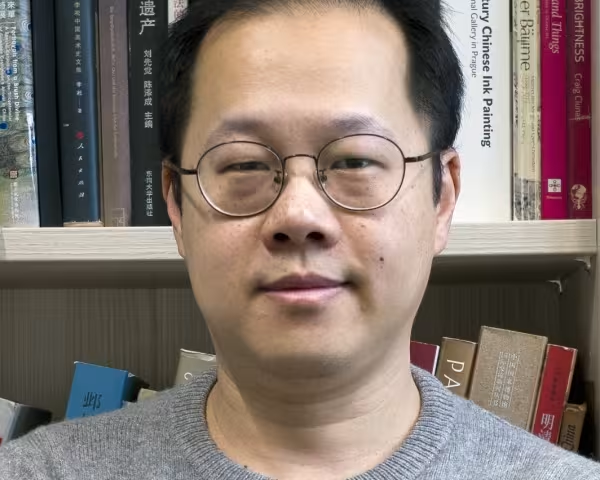
Dr. Lianming Wang
2021 Karl Freudenberg Award
In 2021, Dr. Jing Yan (external link) will be honored for his work “Coupling of NMDA receptors and TRPM4 guides discovery of unconventional neuroprotectants.”
N-methyl-D-aspartate (NMDA) receptors play a key role in regulating brain functions. They mediate synaptic plasticity, control cognitive functions, and promote neuronal survival. However, NMDA receptor activation can also trigger glutamate-induced excitotoxicity and thereby contribute to cell death in various neurodegenerative diseases. The award recipient was able to uncover the molecular mechanism underlying NMDA receptor-dependent excitotoxicity. This mechanism is underpinned by a protein complex located on the cell surface outside the synapses. A structure-based drug discovery approach led to the discovery of unconventional neuroprotective agents, which were termed “NMDAR/TRPM4 interface inhibitors.” This new class of molecules breaks down the NMDAR/TRPM4 death signaling complex, thereby protecting neurons from excitotoxic cell death both in vitro and in mouse disease models.
Dr. Jing Yan studied biotechnology and cell biology in Shandong and earned his Ph.D. in neurobiology in Heidelberg.
Media coverage:
Hope in the fight against stroke - Neurobiologist Dr. Jin Yan Receives the Karl Freudenberg Award.
In: Mannheimer Morgen (Weinheim), June 30, 2021, page 10
Emerging from the Crisis with Momentum - Annual Celebration of the Heidelberg Academy of Sciences and Humanities – Five Awards Presented to Young Researchers. In: Rhein-Neckar-Zeitung, June 28, 2021, page 13 (Arts & Culture)
About the award ceremony: "Brain Research: Newly Discovered Inhibitors Protect Nerve Cells from Stroke" (external link) – Neurobiologist Dr. Jing Yan Receives the Karl Freudenberg Award, Freudenberg, June 25, 2021
Radio segment on Radio Regenbogen (Campus Report, June 30, 2021):
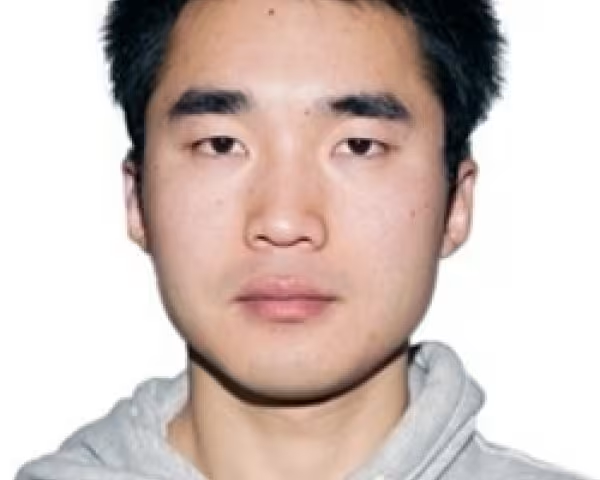
Dr. Jing Yan
2021 Walter Witzenmann Award
Major cultural and technological changes and transformations in societies: Since 1998, a wide variety of works from a broad range of research fields have been honored in recognition of this aspect.
In 2021, the award went to historian Daniel Rothenburg (external link) for his dissertation “Too Much Water. Irrigation, Salinity, and Communities in the Murray-Darling Basin, Australia. An Environmental History.” In his dissertation, the award recipient explores the nexus between human society and its environmental conditions, using Australia as a case study from 1945 to 2017. Focusing on the continent’s largest agricultural region, located in the Murray-Darling Basin,
he has used local sources to detail how living conditions, environmental awareness, and expectations for the future change when the state of the
environment deteriorates severely. Soil and water salinization caused by excessive water use and large-scale deforestation also exacerbated conflicts over the distribution of natural resources and destabilized rural society as a whole. Rothenburg also shows that people did not remain passive—they organized politically, sought ways to practice sustainable agriculture, planted trees, and promoted greater environmental awareness. The history of salinization vividly illustrates
the dynamic relationship between our societies and the environment.
Daniel Rothenburg studied history and philosophy/ethics in Mannheim and Tübingen.
Media coverage:
Emerging from the Crisis with Momentum - Annual Celebration of the Heidelberg Academy of Sciences and Humanities - Five Awards Awarded to Young Researchers. In: Rhein-Neckar-Zeitung, June 28, 2021, page 13 (Arts & Culture section)
Radio segment on Radio Regenbogen (Campus Report, June 2, 2021):
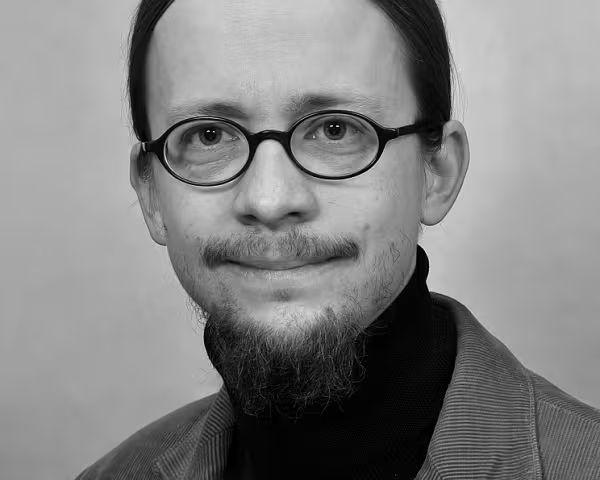
Daniel Rothenburg
2021 Manfred Fuchs Award
The award was first presented in 2015. Since then, young scientists from a wide variety of fields have been honored.
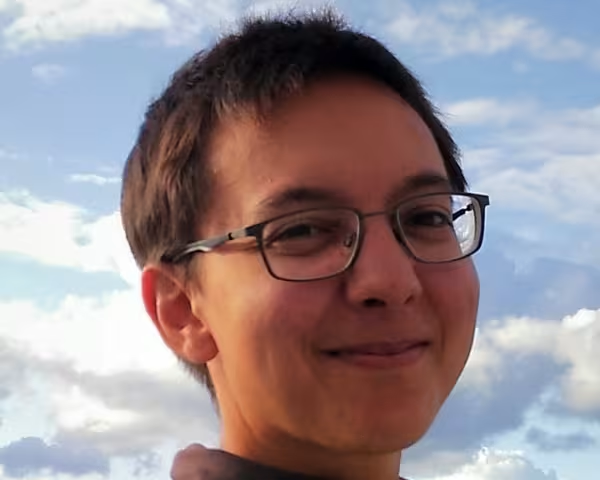
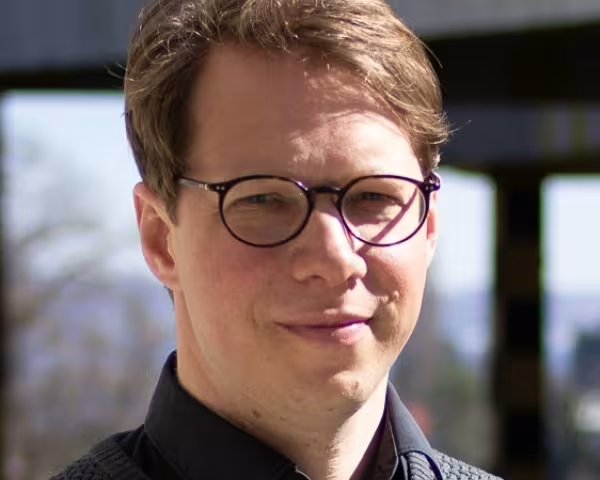
In 2021, the physicist Prof. Dr. Kira Rehfeld (external link) and political scientist and public administration scholar Dr. Thomas Malang (external link) received the award.
Dr. Kira Rehfeld is being honored for her outstanding work “Global patterns of declining temperature variability from the Last Glacial Maximum to the Holocene.” Changes in the Earth’s surface climate arise from internal dynamics and external drivers. Furthermore,
the system’s boundary conditions are constantly evolving. The goal of her work is to understand the respective contributions of dynamic and thermodynamic processes to climate variability. To bridge the gap between weather, climate, and geology, she combines climate modeling, paleoclimate archives, and complex systems approaches. Her research allows scientists to test how well climate models capture past and present climates and how confident we can be regarding higher-order
statistics and spatiotemporal patterns of the simulated future climate.
Dr. Kira Rehfeld studied physics in Heidelberg and earned her Ph.D. in theoretical physics in Berlin.
Media coverage:
Emerging from the Crisis with Momentum – Annual Celebration of the Heidelberg Academy of Sciences and Humanities – Five Awards Presented to Young Researchers. In: Rhein-Neckar-Zeitung, June 28, 2021, page 13 (Arts & Culture section)
Radio segment on Radio Regenbogen (Campus Report, June 9, 2021):
Prof. Dr. Kira Rehfeld
Dr. Thomas Malang (external link) researches the activities of national parliaments in international politics. Based on the current assessment that, in a globalized world, national governments are cooperating with one another to an ever-greater extent, the question arises as to how the legislature reacts to the resulting loss of power and control. Thomas Malang begins by noting that parliaments themselves are increasingly active on the international stage, whether through international organizations or bilateral contacts. In his work, he explains this integration and networking based on new global data and attempts to assess the political effects of the emerging transnational parliamentarism.
Dr. Thomas Malang studied public administration with a focus on “policy analysis and evaluation research” in Konstanz, where he also earned his doctorate.
Media coverage:
Emerging from the Crisis with Momentum – Annual Celebration of the Heidelberg Academy of Sciences and Humanities – Five Awards Awarded to Young Researchers. In: Rhein-Neckar-Zeitung, June 28, 2021, page 13 (Arts & Culture section)
Radio segment on Radio Regenbogen (Campus Report, June 16, 2021):
Dr. Thomas Malang
2021 Ecology Award from the Viktor & Sigrid Dulger Foundation
The Viktor and Sigrid Dulger Foundation’s Ecology Prize is intended to support scholarly work in the humanities, social sciences, natural sciences, and engineering that addresses environmental problems and their solutions.
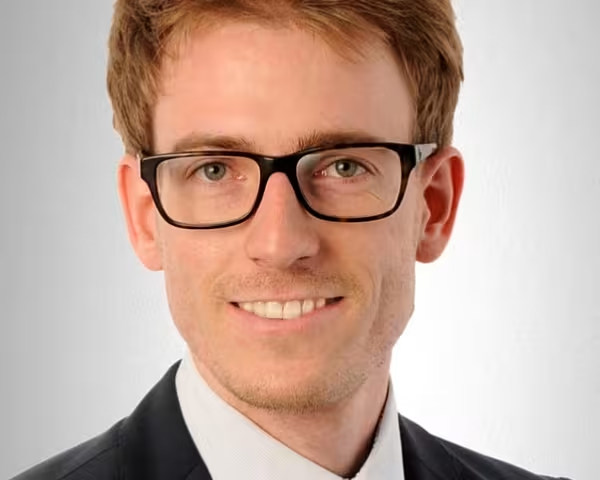
In 2021, the award went to Dr. Matthias Künzel (external link). In his award-winning work, “Sustainable High-Voltage Cathodes for Lithium-Ion Batteries,” he conducted research on the production of sustainable lithium-ion batteries.
Specifically, the research focused on the problem of developing high-voltage lithium-ion cathodes that do not rely on the critical resource cobalt, since cobalt is not only toxic, expensive, and very rare, but is also primarily mined under inhumane conditions in politically unstable regions of the world. Furthermore, this system succeeded in replacing toxic and environmentally harmful materials—such as solvents and fluorinated binders—used in battery electrode production with water and naturally occurring biomaterials, ensuring that the entire manufacturing process will be not only more cost-effective but, above all, more environmentally friendly in the future.
Dr. Matthias Künzel studied Molecular Nano Science in Erlangen-Nuremberg and earned his Ph.D. at the Karlsruhe Institute of Technology (KIT)/Helmholtz Institute Ulm (HIU).
Media Coverage:
Emerging from the Crisis with Momentum - Annual Celebration of the Heidelberg Academy of Sciences and Humanities - Five Awards Presented to Young Researchers. In: Rhein-Neckar-Zeitung, June 28, 2021, page 13 (Arts & Culture section)
Radio segment on Radio Regenbogen (Campus Report, July 21, 2021):
Dr. Matthias Künzel